

Mexico, Peru, Chile, and Argentina together form a coherent Latin American executive-heritage system
positioned at the intersection of pre-Columbian civilizational authority, Andean and Pacific strategic corridors, Southern Cone institutional maturity, and contemporary luxury infrastructure bridging North and South America.
A Structured Executive, Institutional, and Luxury Travel System for the U.S. Market
Rather than operating as isolated destinations or experience-based leisure markets, Mexico, Peru, Chile, and Argentina together constitute a unified Latin American premium environment capable of supporting structured executive, institutional, and high-value travel aligned with U.S. market expectations.
The region integrates ancient civilizational legitimacy, colonial and republican governance traditions, geographic authority at continental scale, and modern luxury systems into a single, high-trust framework suitable for disciplined, long-term U.S. engagement.
Rooted in Mesoamerican and Andean civilizations, Spanish imperial administration, post-colonial state formation, and modern trans-Pacific and trans-Atlantic connectivity, the Latin American corridor combines historical depth with operational reliability and contemporary geopolitical relevance.
Mexico contributes contemporary luxury infrastructure, cultural continuity, and proximity-driven accessibility.
This pillar enables controlled first-entry exposure for U.S. executives while preserving institutional familiarity and narrative depth.
Its maturity reduces logistical friction and psychological barriers without compromising executive standards.
Peru anchors civilizational legitimacy, spiritual authority, and narrative depth.
It introduces historical gravity and contemplative context essential for high-trust executive and institutional engagement.
This depth elevates travel from experiential consumption to meaningful cultural interaction.
Chile provides institutional stability, geographic extremity, and governance discipline.
Its regulatory maturity and infrastructure reliability stabilize multi-country programs at scale.
Remote environments reinforce privacy, predictability, and executive confidence.
Argentina delivers lifestyle sophistication, cultural refinement, and Southern Cone institutional maturity.
It integrates intellectual heritage and social rhythm without reliance on leisure excess.
This pillar balances cultural richness with operational discipline.
Together, they establish a balanced four-pillar executive system positioned for structured entry into the U.S. premium and executive travel market.
Strategic Context
From Mexico City and the Pacific luxury corridors, through Cusco and the Sacred Valley, across Atacama and Patagonia, to Buenos Aires and the Southern Cone cultural axis, the Latin America Heritage Arc delivers a dense and coherent portfolio of executive-level environments.
The region’s strategic strength lies in its ability to balance:
Civilizational authority with lived authenticity
Heritage is embedded in active cultural, spiritual, and institutional structures rather than staged representation.
This ensures credibility and emotional resonance for U.S. audiences seeking substance over spectacle.
Geographic scale with executive efficiency
Mountains, deserts, coastlines, and southern latitudes are accessed through mature logistics and high-end hospitality systems.
This enables immersion without operational friction or loss of comfort.
Cultural distinction with psychological accessibility
For U.S. travelers, the region remains culturally intelligible yet unmistakably distinct.
This balance preserves exclusivity while lowering entry barriers.
Narrative density with compact itineraries
Each travel segment carries layered historical and experiential value.
Narrative coherence replaces fragmented sightseeing, increasing value per travel day.

The Latin America Executive Arc
Contemporary Cultural Authority – Mexico
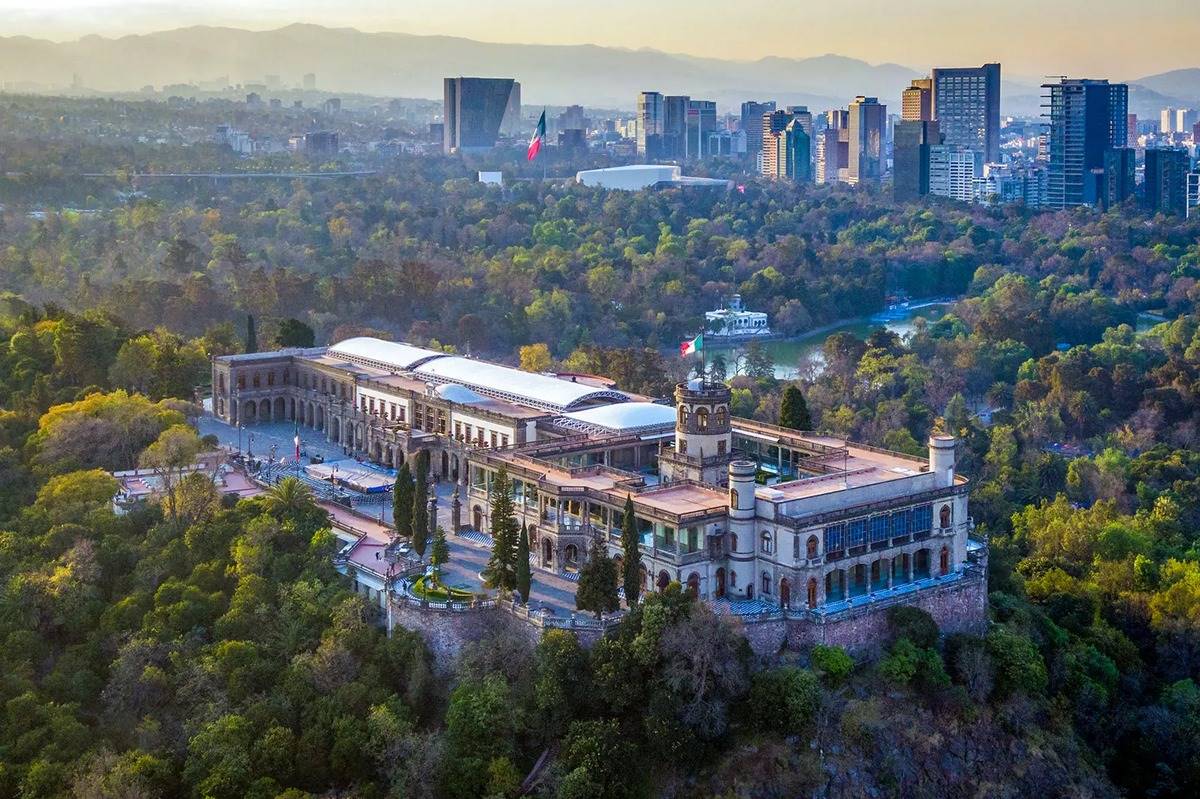
Mexico anchors the system through modern luxury layered over deep civilizational continuity.
Mesoamerican foundations, colonial governance, and contemporary cultural authority converge within a globally fluent executive environment.
Mexico City provides institutional and cultural gravity, while Pacific and Caribbean corridors support refined wellness, privacy-oriented, and culturally immersive experiences.
These environments support executive engagement without mass-market exposure.
Civilizational Core and Spiritual Continuity – Peru
Peru functions as the civilizational and spiritual core of the Latin American system.
Andean cosmology, Inca statecraft, and layered colonial heritage provide unmatched historical legitimacy.
Cusco, the Sacred Valley, and highland environments support contemplative and meaning-driven engagement.
These settings maintain executive comfort while introducing depth and reflection.
Institutional Discipline and Geographic Authority – Chile
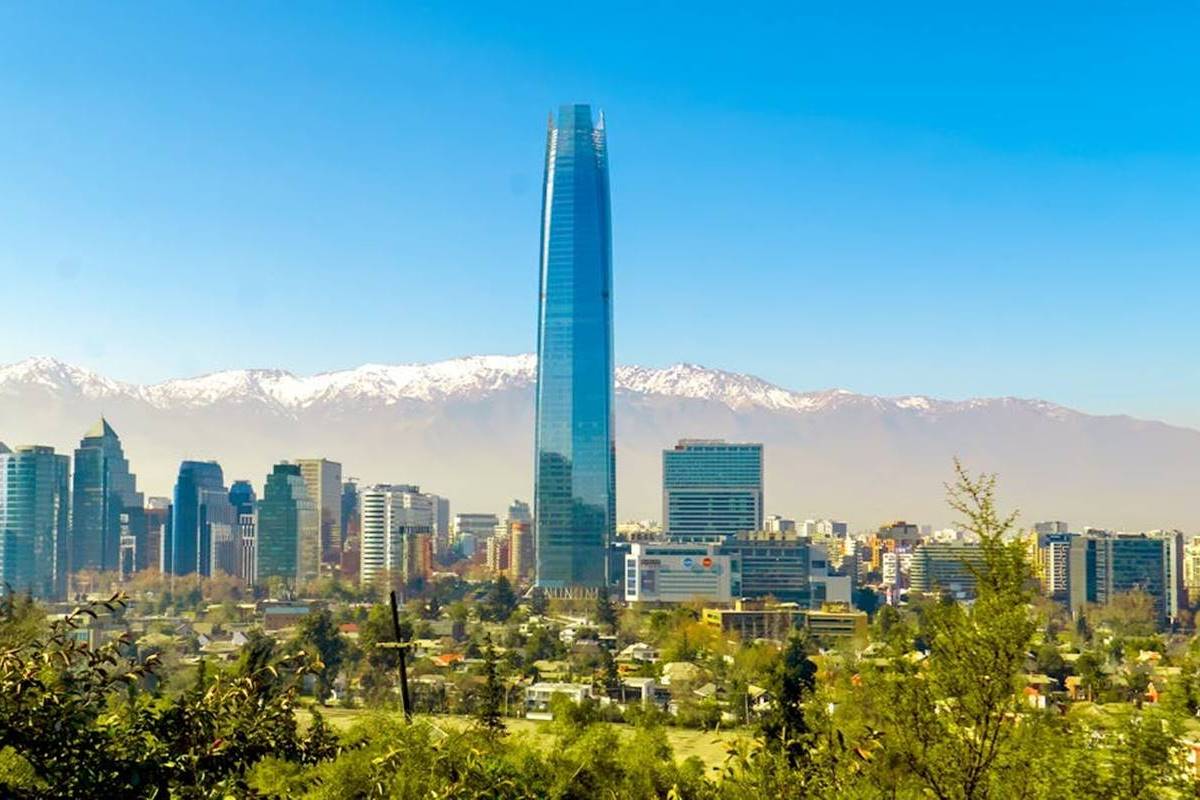
Chile represents institutional maturity and geographic extremity within the arc.
Its governance standards and infrastructure reliability stabilize multi-country coordination.
Patagonia and the Atacama Desert provide low-saturation, high-integrity environments.
These regions reinforce privacy, predictability, and regenerative balance.
Lifestyle Sophistication and Cultural Sovereignty – Argentina
Argentina contributes cultural sophistication, intellectual heritage, and Southern Cone refinement.
European-influenced institutional traditions merge with local identity.
Buenos Aires anchors urban cultural legitimacy, while southern and interior regions add natural depth.
This contrast supports executive engagement without reliance on leisure excess.
U.S. Market Architecture and Governance
The Old Eagles LLC, headquartered in Phoenix, Arizona, operates as the structured U.S. market-access and governance layer for Latin American executive and premium travel engagement.
The role is architectural rather than promotional, providing U.S.-based accountability, narrative governance, commercial discipline, and controlled access to premium networks.
Regional operators gain structured U.S. market presence
This removes fragmentation, pricing inconsistency, and reputational exposure.
Operators engage through a unified governance layer aligned with U.S. expectations.
Travelers receive trust, clarity, and quality assurance
Engagement occurs within a familiar U.S.-based accountability structure.
This clarity supports confident decision-making and long-term relationships.
Institutions engage through familiar governance frameworks
Programs align with compliance, due diligence, and reputational safeguards.
This enables participation without ad-hoc exposure or operational risk.
Cultural narratives are preserved with contextual accuracy
Historical depth is presented responsibly rather than simplified for mass appeal.
This safeguards authenticity and intellectual integrity.
Market Imperative
Authenticity grounded in civilizational legitimacy
U.S. executive travelers increasingly reject manufactured experiences.
The region provides depth that cannot be replicated or staged.
Wellness, balance, and regeneration
Executive travel now integrates recovery and sustainability.
Natural and contemplative environments directly support these priorities.
Privacy and non-saturated destinations
High-value travelers avoid standardized luxury and visible mass exposure.
Low-density environments preserve discretion and focus.
Efficiency, trust, and governance clarity
Time discipline and predictability are non-negotiable.
Structured oversight minimizes friction and reputational risk.

Structured Executive Travel Models
7-Day Executive Access Model
Focused programs combining two countries for first-entry exposure.
Designed for time-constrained executives seeking controlled introduction.
10–12 Day Executive Immersion Model
Balanced itineraries integrating all four pillars with heritage and wellness.
Suited for repeat travelers seeking deeper contextual understanding.
14-Day Latin America Grand Arc
Comprehensive executive immersion emphasizing continuity and reflection.
Ideal for delegations, institutions, and long-term engagement.
Average investment per traveler: USD 20,000–32,000+, depending on customization.
Operational capacity supports multiple, two-five, small groups monthly.
Conclusion
The Latin America Heritage corridor represents a coherent executive-heritage system combining civilizational depth, geographic authority, cultural sophistication, and operational reliability.
When governed through structured U.S. market architecture, authenticity converts into predictable engagement, institutional credibility, and sustainable commercial value.
Next Steps
This document establishes the foundation for structured collaboration between Latin American executive travel operators and The Old Eagles LLC.
Upon alignment of itineraries and commercial terms, activation commences within ten to fifteen business days.
Download the 22-page U.S. Premium Outbound Travel Strategy
U.S. Premium Travel Strategy →
Travel Agency Onboarding and White Label Operating Framework
Onboarding and White Label Framework →
Direct Contact
Dejan Marinković
Founder & CEO
The Old Eagles LLC
Phoenix, Arizona, USA
Leave a Reply