
Saudi Arabia, United Arab Emirates, Qatar, Kuwait, Oman, and Bahrain together form one of the world’s most institutionally concentrated, capital-disciplined, and globally integrated executive environments
The Gulf stands as a uniquely structured ecosystem defined by sovereign continuity, capital authority, geopolitical relevance, and a refined ultra-luxury service culture shaped through decades of strategic alignment with U.S. and global financial systems.
Its identity fuses Islamic civilizational legitimacy with modern statecraft, sovereign wealth discipline with advanced infrastructure, and cultural continuity with a globally fluent executive and institutional class. The region’s influence spans energy, finance, logistics, diplomacy, technology, defense cooperation, and one of the most capitalized premium service ecosystems worldwide.
For decades, the Gulf has functioned as a foundational pillar of global capital flows, energy security, and geopolitical stability. While already familiar to U.S. executives through finance, energy, and diplomacy, the region remains under-structured at the level of curated executive, institutional, and sovereign travel programs. As U.S. demand shifts toward trust-driven, governance-aligned, and discreet engagement, the Gulf is positioned for structured expansion within the U.S. premium travel market.
Strategic Context
From Riyadh and the Red Sea corridor, through Dubai and Abu Dhabi, Doha’s diplomatic axis, Kuwait City’s financial institutions, Muscat’s historic ports, and Manama’s financial center, the Gulf delivers a dense and high-authority portfolio of executive-level environments.
Its strategic strength lies in the balance between sovereign authority and operational precision, capital concentration and discretion, modern governance and civilizational depth, and geographic extremity paired with world-class logistics. The Gulf appeals strongly to U.S. premium travelers seeking credibility, privacy, security, and predictable execution at the highest level.
The Gulf is not simply a destination. It is a multidimensional ecosystem of governance, capital, energy, diplomacy, culture, and ultra-luxury infrastructure, entering U.S. premium travel frameworks from a position of structural advantage.
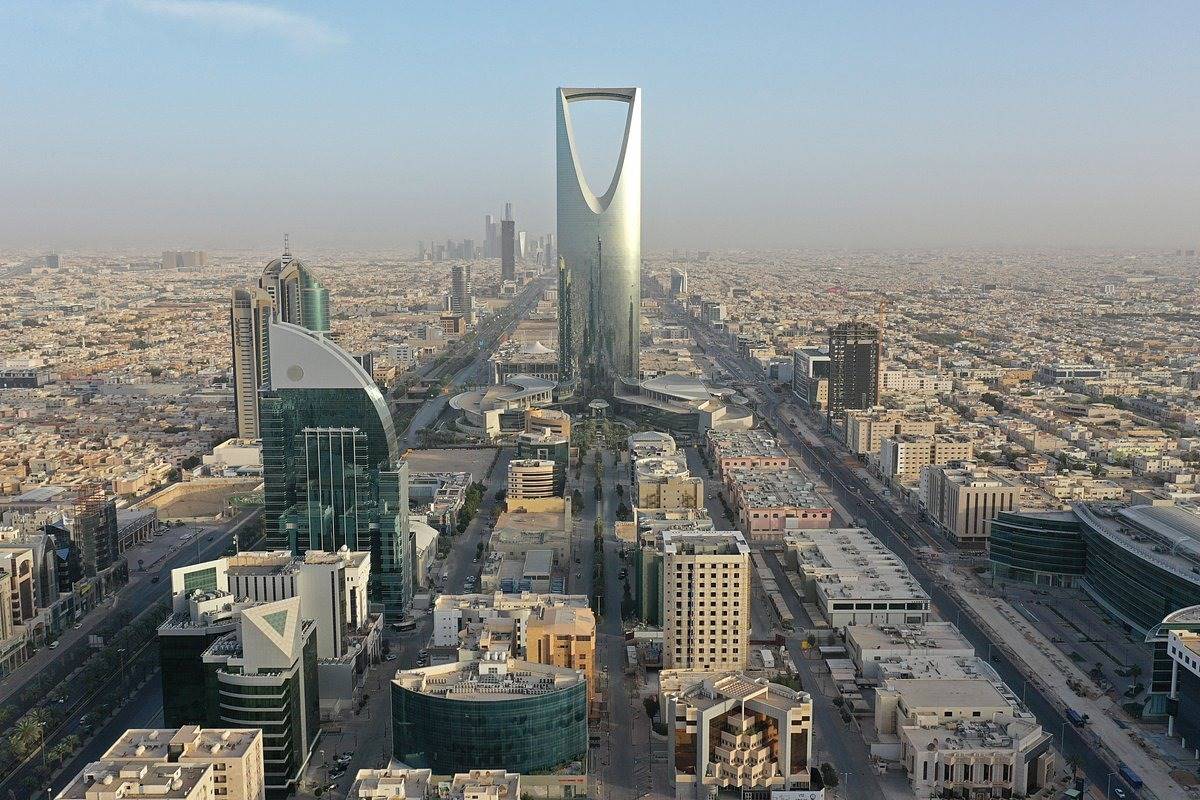
The Gulf Executive Arc
Saudi Arabia
Civilizational Authority and Strategic Scale
Saudi Arabia delivers unmatched civilizational gravity and territorial scale. Custodianship of Islamic holy sites, combined with state-driven transformation initiatives, provides macro-level narrative authority and geopolitical relevance.
Riyadh and the Red Sea corridor support executive engagement framed around transformation, continuity, and long-term state vision. This pillar establishes legitimacy and strategic weight for U.S. executive and institutional programs.
Saudi Arabia further enables exposure to state-scale ambition and sovereign planning horizons rarely accessible to private travelers. This environment reinforces long-term strategic thinking, credibility, and institutional confidence.
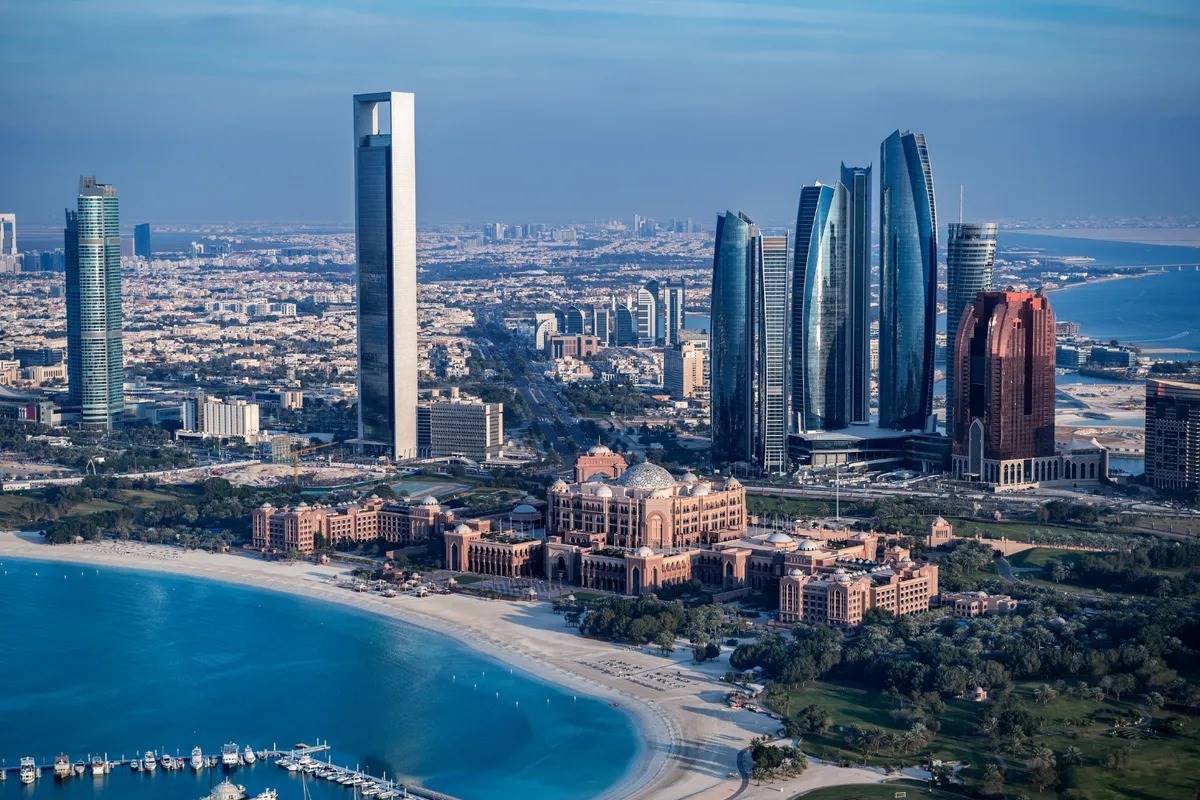
United Arab Emirates
Global Connectivity and Ultra-Luxury Interface
The United Arab Emirates functions as the Gulf’s primary global access point. Advanced aviation, regulatory fluency, and luxury infrastructure create frictionless entry for U.S. executives.
Dubai and Abu Dhabi support board-level retreats, family-office travel, and privacy-oriented executive programs. This environment lowers operational and psychological barriers while preserving elite standards.
The UAE serves as a familiar yet elevated interface for first-entry engagement. Its execution reliability accelerates decision-making and repeat participation.
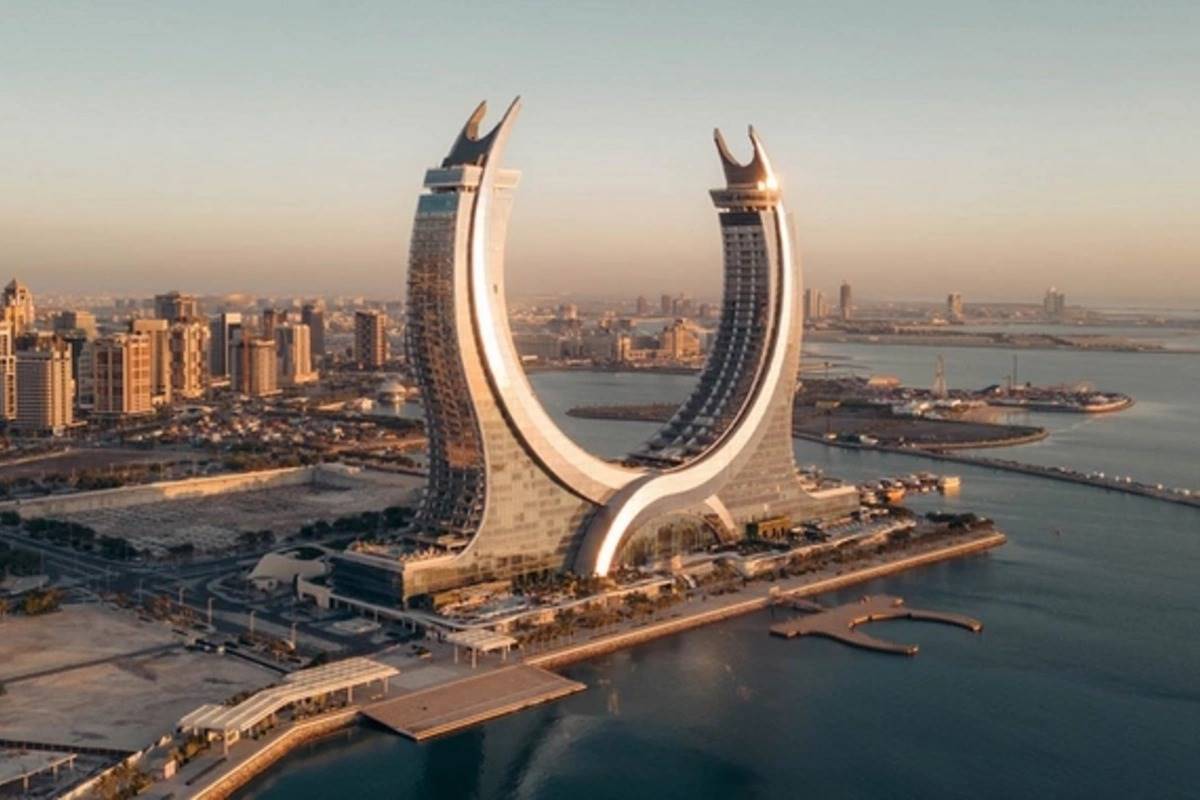
Qatar
Sovereign Capital Intelligence and Diplomatic Precision
Qatar contributes concentrated capital authority, global mediation credibility, and governance discipline. Sovereign wealth structures and diplomatic reach introduce strategic depth.
Doha supports discreet institutional dialogue and high-integrity executive engagement. This pillar reinforces predictability, long-term alignment, and trust-based interaction.
Qatar’s compact governance structure enables direct access and clarity at senior levels. This concentration enhances confidence and strategic focus for institutional programs.
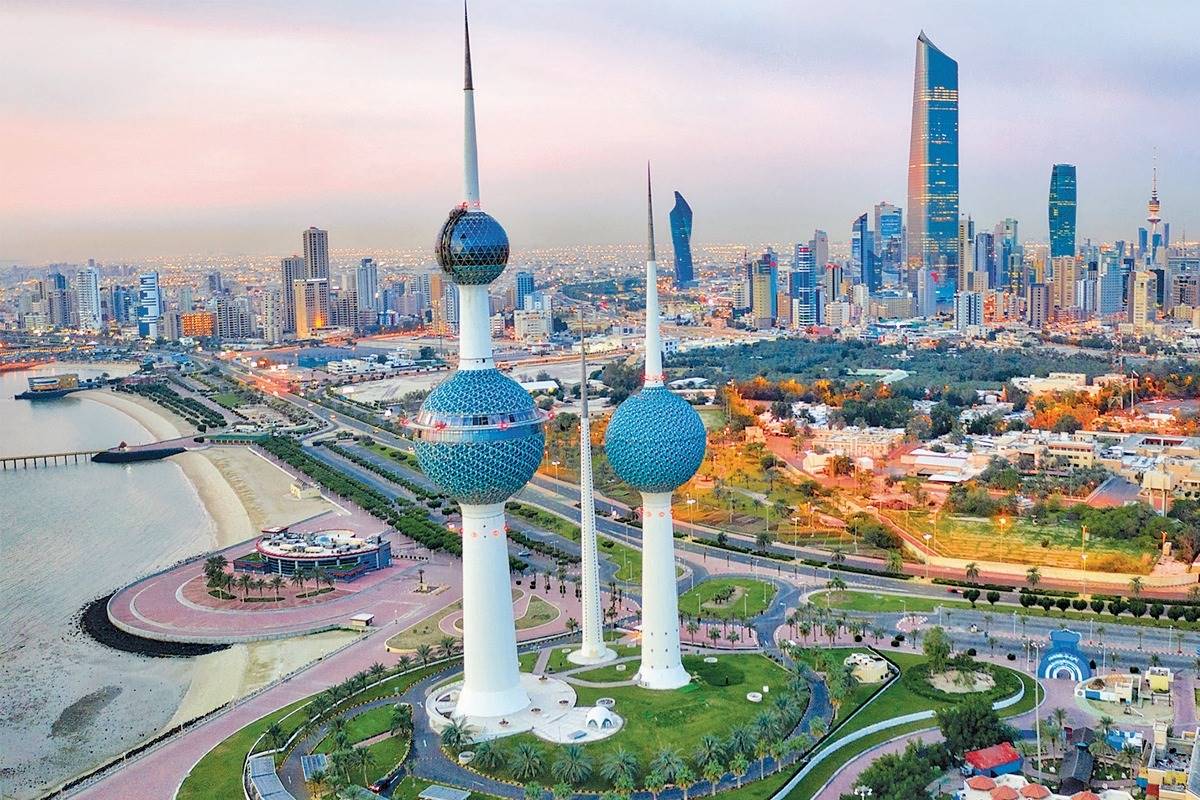
Kuwait
Institutional Continuity and Financial Statecraft
Kuwait provides constitutional maturity and sovereign financial tradition. Its governance culture emphasizes prudence, continuity, and institutional memory.
This environment supports executive engagement grounded in financial discipline rather than spectacle, stabilizing multi-country programs through credibility and restraint.
Kuwait reinforces long-term thinking anchored in capital preservation. Its institutional calm offsets volatility and supports balanced regional sequencing.
Oman
Cultural Authenticity and Strategic Neutrality
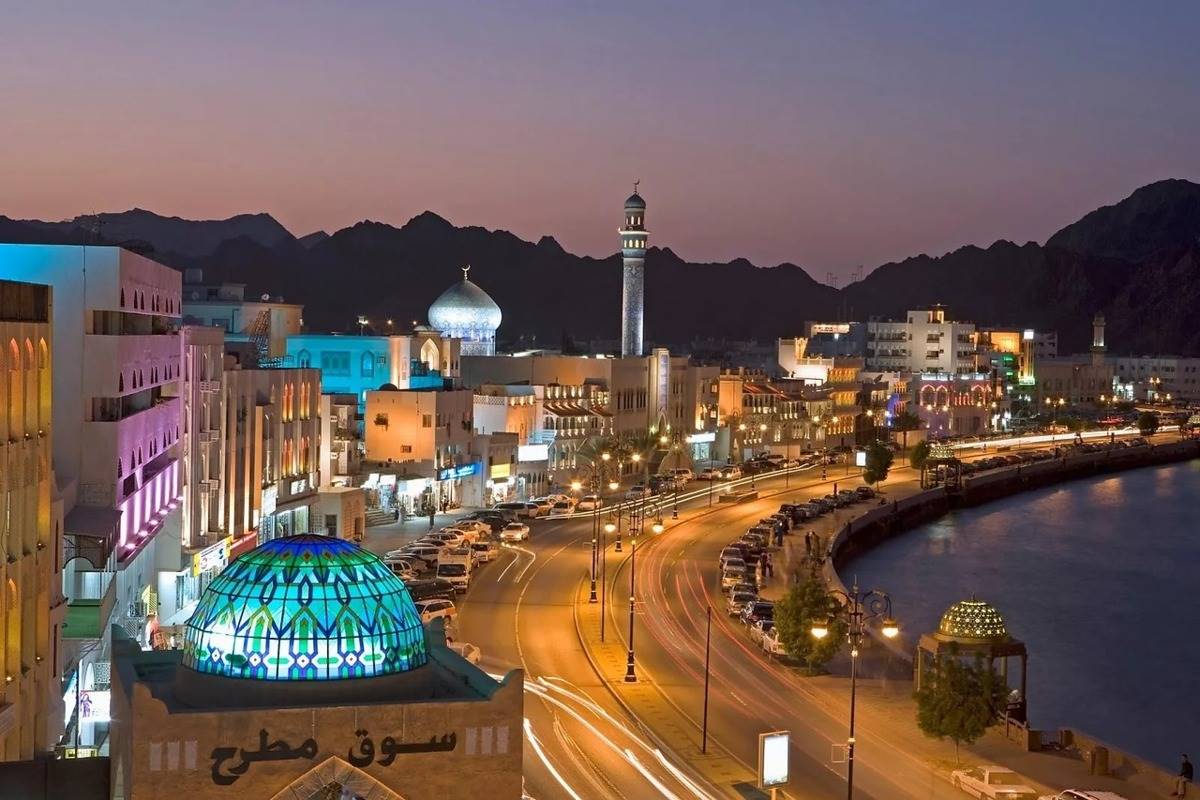
Oman anchors historical depth, Ibadi heritage, and diplomatic neutrality. Its governance philosophy emphasizes balance, continuity, and non-alignment.
Low-density coastal and mountain environments support executive recovery, reflection, and privacy. This pillar introduces sustainability and depth into the overall system.
Oman provides a counterweight to intensity through authenticity and restraint. Its environments are particularly suited for recalibration and long-term perspective.
Bahrain
Financial Services Heritage and Trade Authority
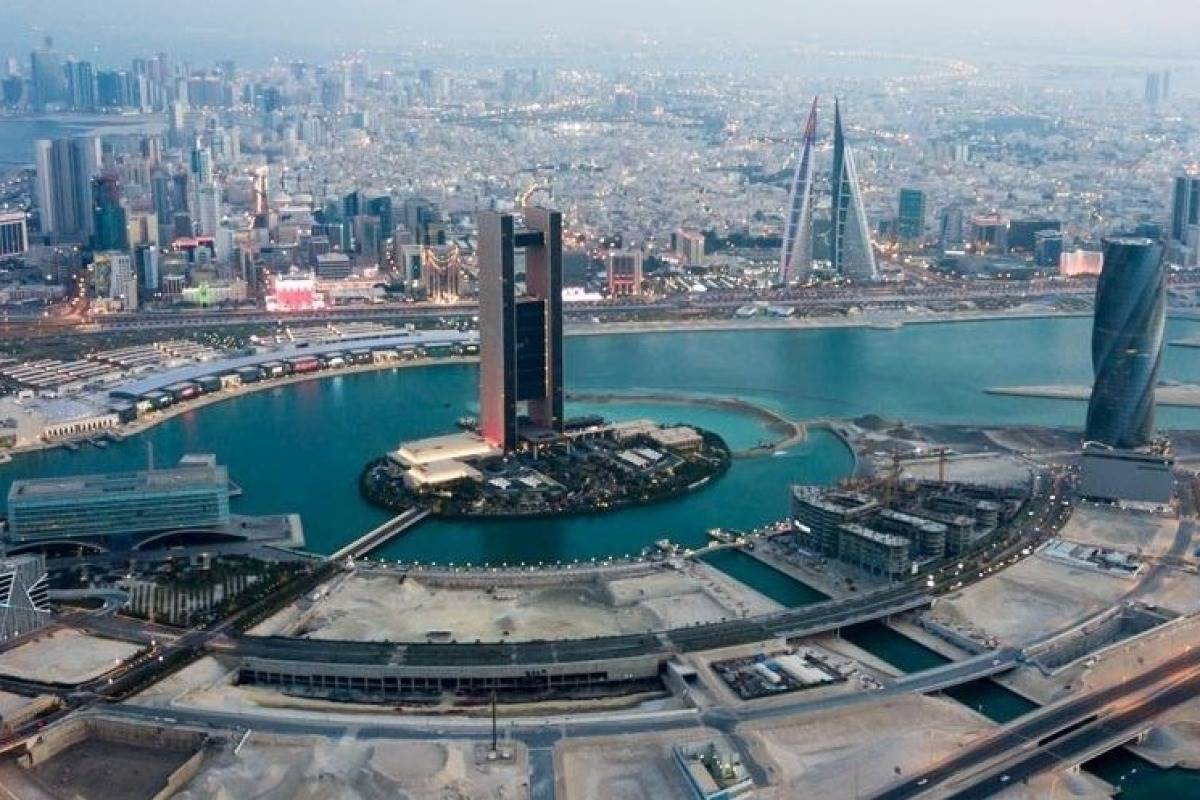
Bahrain contributes legacy financial infrastructure and early Gulf modernization. Regulatory familiarity and compact scale enable focused institutional access.
Manama supports finance-oriented executive programs aligned with compliance, governance, and capital markets, enhancing precision and operational efficiency.
Bahrain’s clarity and accessibility enable high-signal, low-noise engagement. This pillar strengthens execution discipline and institutional transparency.
The Old Eagles LLC Role
Headquartered in Phoenix, Arizona, The Old Eagles LLC serves as the structured U.S. market-access and governance partner for Gulf executive and sovereign travel operators.
The organization provides positioning frameworks engineered for trust alignment, compliance accuracy, and scalable integration into U.S. executive, institutional, and diaspora networks. Through this role, Gulf operators gain structured credibility, controlled narrative positioning, and sustained access to U.S. premium demand.
The Old Eagles LLC functions as the U.S.-based control layer coordinating demand qualification, brand protection, governance alignment, and execution oversight. This structure ensures consistency, accountability, and long-term premium positioning across all U.S.-facing engagements.
Why This Matters
The U.S. premium travel market operates on institutional trust, execution discipline, and governance clarity.
American executives expect structured itineraries, verified partners, regulatory alignment, transparent coordination, and U.S.-based accountability. Without a dedicated U.S. control layer, even capital-rich regions risk fragmentation and reputational dilution.
The Old Eagles LLC converts Gulf authority into predictable executive engagement, safeguarding long-term brand equity while accelerating premium market penetration.
Operational Framework
Market Intelligence
Advanced insight into U.S. executive behavior informs itinerary design, pricing logic, duration thresholds, and privacy expectations. This intelligence increases conversion rates, repeat engagement, and long-term ROI while reducing execution friction.
Behavioral segmentation aligns programs with executive calendars, decision cycles, and risk tolerance. Data-driven refinement replaces assumption-based planning.
Brand Positioning
The Gulf is positioned not as a luxury spectacle but as an executive-grade governance and capital ecosystem. Narrative discipline elevates perception from high-end destination to institutional platform.
Consistent positioning safeguards long-term brand authority and prevents commoditization. Executive relevance remains intact across all U.S.-facing touchpoints.
Operational Facilitation
Contracting, compliance, communication, and coordination frameworks align with U.S. standards. Decision cycles shorten, and trust deepens through execution clarity.
Clear governance minimizes legal, reputational, and coordination risk. Repeatable execution becomes possible without dilution of standards.
U.S. Premium Traveler Projection
More than 100 million Americans traveled internationally in 2025. Approximately 5 percent represent premium travelers aligned with executive-grade itineraries, creating a reachable population of five million individuals capable of purchasing programs priced between USD 22,000 and 35,000 per traveler.
This segment prioritizes trust, privacy, governance clarity, and execution certainty over price sensitivity. Demand remains resilient across economic cycles.
Example Projection
A group of 12 U.S. executive travelers spending USD 25,000 each generates USD 300,000 per travel cycle. With two to four monthly cycles, Gulf operators can achieve sustained, year-round growth across sovereign, institutional, and executive programs.
This model supports predictable revenue streams rather than seasonal dependency. Scale is achieved through repetition, governance discipline, and network access, not volume dilution.
Structured Executive Travel Models
7-Day Gulf Executive Model
High-intensity programs for time-constrained executives combining two core pillars.
The model prioritizes governance exposure, capital context, and execution efficiency. It is optimized for first-entry assessment and rapid strategic orientation.
10–12 Day Integration Model
Balanced engagement across capital, culture, and recovery environments.
This structure enables deeper contextual understanding without operational fatigue. Sequencing is designed to preserve decision clarity while expanding narrative depth.
14-Day Gulf Grand Executive Model
Comprehensive sovereign-level immersion for boards, investors, and institutional delegations.
The program emphasizes continuity, trust-building, and multi-pillar coherence. It supports long-horizon engagement and relationship-driven outcomes.
Average investment per traveler: USD 25,000–35,000+, depending on customization.
Conclusion
The Gulf represents one of the world’s most institutionally concentrated and capital-disciplined executive ecosystems. Through structured U.S. market architecture, The Old Eagles LLC converts sovereign authority and cultural depth into controlled expansion, executive relevance, and sustainable commercial growth.
This approach elevates the Gulf from high-luxury exposure to an executive-grade platform. Trust, structure, and governance discipline replace fragmentation. Long-term value replaces short-term volume.
Next Steps
This document establishes the foundation for structured collaboration between GCC premium operators and The Old Eagles LLC. Once itineraries, commercial terms, and deployment strategy are aligned, activation can begin within ten to fifteen business days.
Initial alignment sessions define scope, positioning, and sequencing. A controlled rollout ensures brand protection. Growth follows validated performance.
Download the 22-page PDF U.S. Premium Outbound Travel Strategy
U.S. Premium Travel Strategy →
Travel Agency Onboarding and White Label Operating Framework
Onboarding and White Label Framework →
Direct Contact
Dejan Marinković
Founder & CEO
The Old Eagles LLC
Phoenix, Arizona, USA
Leave a Reply